
Driver fit
Titleist GT2 vs. GT3 Driver: Weight and Fit
Start with GT2 if your strike wanders across the face. Start with GT3 if your strikes cluster and the adjustable weight gives you a more playable miss in a fitting. If you can’t try both, we’d choose GT2 in the loft and shaft you already know rather than pay extra for GT3’s adjustment alone.
Product links on this page go directly to manufacturers. We do not earn a commission from them.
Manufacturer photographs
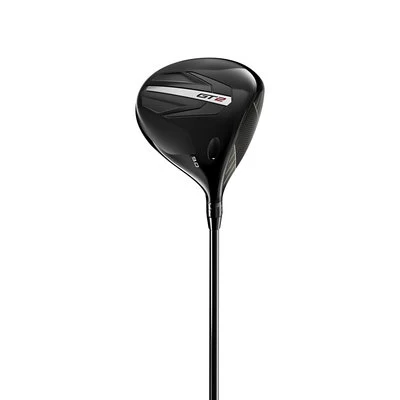
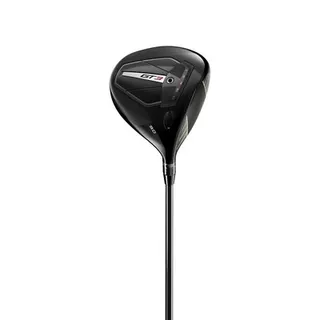
Manufacturer specifications checked . Based on the sources linked below. We have not field-tested these models.
Find the strike pattern first
Use impact spray to see whether contact clusters toward the heel, middle or toe. The GT3 track is a fitting variable, not a face-angle setting; compare neutral and an appropriate alternative before committing.
GT2 vs. GT3 for forgiveness: judge the miss you actually hit
Start each head at a comparable loft and neutral setting, use the same ball and shaft build where possible, and alternate small batches. Mark impact location and keep your ordinary misses in the sample. Compare typical carry and how far left or right those misses finish. Try a different GT3 track position only after seeing a repeatable strike pattern; the adjustment earns its keep if the usual miss improves without giving up the carry you need.
Buying used: compare the whole club, not the asking price
Ask for the exact loft, shaft model and flex, playing length, installed weight, and clear face and crown photos. Confirm the wrench if you need one and whether the seller permits a return after hitting balls. Add shipping and anything you already know you’ll change, such as the grip. That is the cost to compare. If one listing is head-only, price your compatible shaft and adapter before calling it a deal.
Specifications and buying links
See the used-driver guide under $250